
Ultimate Collection Of Storm Restoration Products For Quick Recovery
Equip yourself with essential supplies that help you restore your property with confidence and ease.
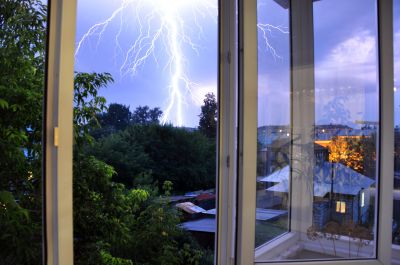 Storm restoration products are essential components in repairing and reinforcing properties affected by severe weather events. From hurricanes and heavy rain to windstorms and hail, having the right tools and materials can significantly impact the effectiveness and durability of repairs. In Dacula, Georgia, where weather patterns can include intense storms, homeowners and contractors alike seek reliable products to restore safety and structural integrity. These products range from protective barriers to repair materials, each designed to address specific challenges posed by storm damage.
Types of Products For Storm Restorations
Roofing Shingles and Panels
Materials designed to replace or reinforce damaged roofing components, available in various styles and durability levels to withstand storm conditions.
Waterproof Sealants and Caulks
Products used to seal gaps, cracks, and joints to prevent water penetration and air leaks after storm damage.
Flood Barriers and Sandbags
Temporary or permanent barriers to divert or block floodwaters from entering properties.
Storm Windows and Impact-Resistant Glass
Windows designed to resist high winds and debris impact, reducing the risk of breakage during storms.
Structural Reinforcement Materials
Steel braces, anchor bolts, and other hardware used to strengthen vulnerable building components.
Gutter and Drainage Systems
Enhanced gutter systems and downspouts that facilitate efficient water runoff and prevent water accumulation.
Emergency Repair Kits
Comprehensive kits including tools, sealants, patches, and fasteners for quick response to storm damage.
Debris Removal Equipment
Tools such as chainsaws, leaf blowers, and debris catchers to clear storm-related debris safely and efficiently.
Roof Repair Patches
Pre-cut or flexible patches designed to cover and seal damaged roofing areas temporarily or permanently.
Structural Insulation Panels
Insulation materials that help maintain building integrity and energy efficiency after storm damage.
Wind-Resistant Doors
Doors built to withstand high wind pressures, preventing damage and intrusion.
Hail-Impact Resistant Siding
Siding options designed to resist impact from hail and flying debris.
Ventilation and Exhaust Fans
Systems that help dry out and ventilate interiors affected by water intrusion or mold growth.
Backup Power Solutions
Generators and portable power supplies to ensure continued operation during outages.
Moisture Meters and Inspection Tools
Devices used to assess water intrusion and structural integrity after storm events.
Roof Ventilation Systems
Enhanced ventilation to reduce moisture buildup and prevent further damage.
Popular Choices
Widely used for their ability to resist debris impact and high winds, providing added safety.
Flexible, waterproof covers used to temporarily protect damaged roofs and structures.
Popular for sealing cracks and gaps to prevent water ingress after storm damage.
Effective for property protection in flood-prone areas, easy to deploy during emergencies.
Convenient solutions for quick sealing of roof leaks and damage.
Trusted for backup power during outages caused by storms.
Help manage water flow and prevent clogging during heavy rains.
Provides additional protection against hail and flying debris.
Essential for removing accumulated water after flooding or leaks.
Popular for securing vulnerable parts of buildings against high winds.
Comprehensive kits favored for their convenience during storm response.
Commonly used for sealing windows, doors, and roof seams.
Help prevent moisture buildup and improve indoor air quality after storms.
Widely utilized for clearing storm debris efficiently.
Applied to protect flooring from water damage and mold growth.
Provide enhanced protection for entry points during storms.
Selecting appropriate storm restoration products involves understanding the unique needs of your property and the types of damage typically encountered. For instance, roofing materials must withstand high winds and impact, while flood barriers should prevent water intrusion. Proper application and quality materials can help mitigate future damage and extend the lifespan of repairs. It is also important to consider ease of use, compatibility with existing structures, and long-term performance when choosing restoration products.
In addition to individual repair items, comprehensive storm restoration kits are available that include a variety of tools and materials needed for emergency repairs and ongoing maintenance. These kits are especially useful for property managers and emergency response teams. Ensuring that you have access to a wide range of products tailored for storm damage can facilitate quicker, more effective restoration efforts, ultimately helping to protect property and ensure safety during and after severe weather events.
Key Buying Considerations
- Assess the specific types of storm damage your property is most vulnerable to, such as wind, water, or hail.
- Choose products with appropriate durability ratings for your local weather conditions.
- Ensure compatibility of repair materials with existing building structures and materials.
- Evaluate ease of installation, especially if DIY repairs are planned.
- Consider the long-term performance and resistance to future weather events.
- Check for product certifications or standards relevant to storm resistance.
- Determine the size and coverage area needed for effective protection or repair.
- Prioritize products that are user-friendly and require minimal maintenance.
- Review manufacturer instructions and warranty provisions for reliability.
- Balance cost with quality to ensure effective and lasting repairs.
- Think about accessibility and availability of replacement parts or additional supplies.
- Consider the potential need for professional installation or consultation.
- Look into the product’s resistance to mold, mildew, and corrosion.
- Evaluate the ease of storage and transportation of repair materials and tools.
- Assess the safety features of products, especially for structural reinforcements.